
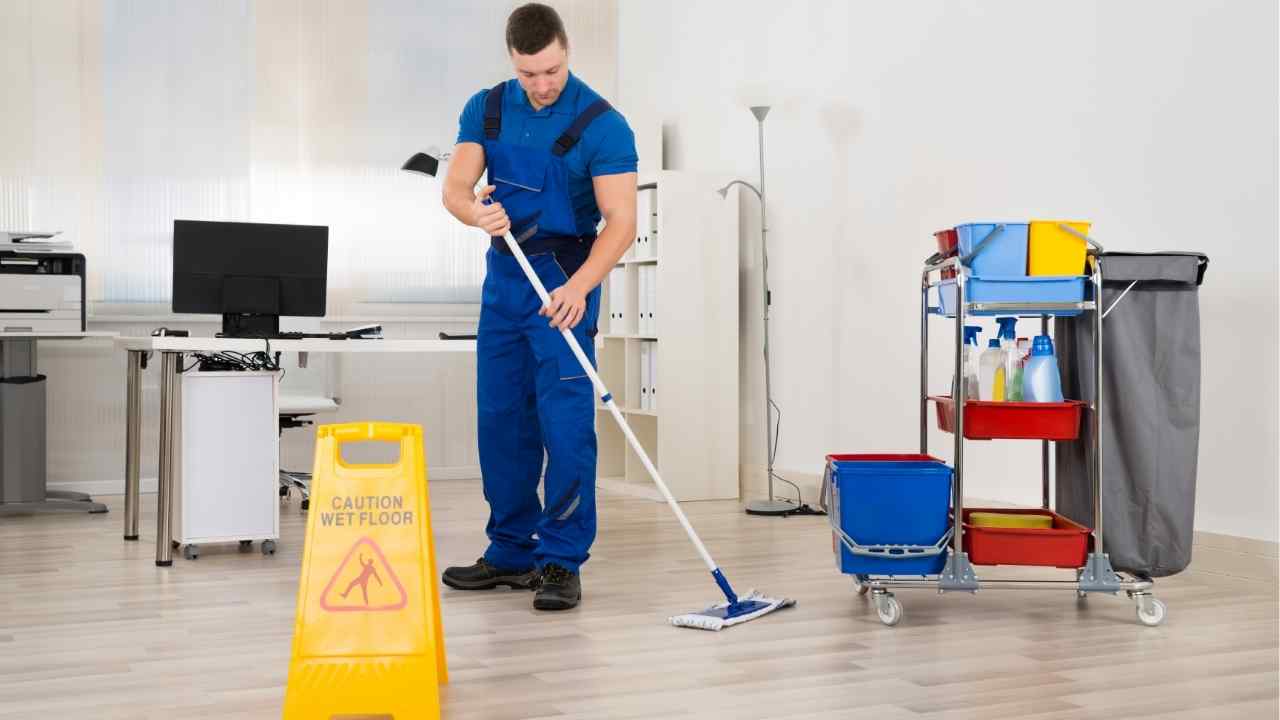
Cleaning Medical Offices After Construction or Remodeling
Construction may improve a medical office, but it also leaves behind dust, debris, odors, and contaminants that can interfere with patient care. A standard cleaning is rarely enough because healthcare spaces require a higher level of detail, control, and sanitation.
Medical office managers searching for a “construction cleanup service near me in Reno NV” need a team that understands both post-construction cleaning and the demands of a clinical environment. The right cleaning process helps remove fine dust, protect sensitive equipment, and prepare the facility for staff and patients. It also reduces the risk of overlooking hidden debris in vents, cabinets, examination rooms, and high-touch areas.
This guide explains what medical office construction cleaning should include, why specialized cleaning matters, and how to choose a dependable provider.
Why Medical Office Construction Cleaning Is Different
Cleaning a remodeled clinic is not the same as cleaning a newly finished home or standard commercial building. Medical facilities contain treatment areas, patient rooms, laboratories, waiting spaces, and equipment that may be affected by airborne construction dust.
Even small particles can settle inside drawers, vents, light fixtures, supply cabinets, and electronic devices. Drywall dust can continue circulating through the building long after contractors leave. Adhesive residue, paint splatter, packaging materials, and construction odors may also remain.
Reliable sanitation & janitor services should address both visible debris and less obvious contamination. This means cleaning from ceiling level to floor level rather than simply vacuuming and wiping open surfaces.
A thorough post-remodel cleaning may include:
Removing construction debris and leftover materials
Cleaning walls, doors, trim, and baseboards
Dusting ceilings, vents, fixtures, and ledges
Wiping cabinets, counters, shelving, and drawers
Removing labels, adhesive, paint, and caulk residue
Cleaning interior windows and glass partitions
Vacuuming and mopping all flooring
Disinfecting high-touch surfaces
Preparing treatment and examination rooms for use
Experienced professional construction clean-up crews follow an organized sequence so dust is removed instead of pushed from one area to another. This helps create a cleaner, safer environment before the medical office reopens.
A Step-by-Step Cleaning Process for Healthcare Spaces
Medical office cleanup should be planned carefully. Rushing the job can leave dust in hidden areas or cause cleaned rooms to become contaminated again.
1. Initial Inspection and Debris Removal
The cleaning team should begin with a walkthrough of the entire facility. This allows them to identify construction residue, damaged areas, delicate equipment, and rooms that require special attention.
Large debris, packaging, protective coverings, and leftover materials should be removed first. Floors should be cleared before detailed cleaning begins.
2. High-to-Low Dust Removal
Dust naturally falls downward, so cleaners should begin with ceilings, vents, light fixtures, tops of doors, cabinets, and wall ledges. Starting at floor level would create extra work because overhead dust would settle onto freshly cleaned surfaces.
High-efficiency vacuums and microfiber materials are useful for capturing fine particles rather than spreading them into the air.
3. Detailed Surface Cleaning
Once overhead dust is removed, the team can clean walls, doors, trim, countertops, sinks, cabinetry, shelving, and furniture. Cabinet interiors and drawers should be cleaned when construction work has exposed them to dust.
Special care may be required around medical devices, computers, monitors, and other sensitive equipment. Cleaning products should be appropriate for the surface and used according to facility requirements.
4. Floor and Carpet Cleaning
Hard floors may contain adhesive, grout haze, paint spots, or fine construction dust. These materials should be removed before the final mopping or floor treatment.
Carpets often require more than a basic vacuuming because construction particles can settle deep inside the fibers. Depending on the extent of the remodeling, carpet extraction may be necessary.
5. Final Disinfection and Quality Check
After dust and residue are removed, high-touch surfaces should be disinfected. These may include door handles, light switches, reception counters, faucets, chair arms, handrails, and examination room surfaces.
A final inspection should confirm that each room is clean, dry, free of debris, and ready for use.
Areas That Need Extra Attention
Some parts of a medical office collect more construction dust than others. These spaces should be included in the cleaning checklist rather than treated as optional add-ons.
HVAC Vents and Air Returns
Construction dust can enter the ventilation system and continue circulating after the project is complete. Vent covers, registers, and surrounding surfaces should be cleaned carefully. The facility may also need to replace air filters before reopening.
Examination and Treatment Rooms
These areas require detailed cleaning because patients and healthcare workers come into close contact with the surfaces. Cabinets, sinks, counters, fixtures, drawers, and equipment surroundings should be checked closely.
Waiting Rooms and Reception Areas
The waiting room creates the first impression for patients. Dusty furniture, cloudy glass, dirty floors, or lingering construction odors can make the facility feel unfinished.
Restrooms and Staff Areas
Restrooms, break rooms, storage rooms, and employee areas should receive the same level of attention as public-facing spaces. Construction dust can settle anywhere contractors have walked, carried materials, or performed work.
Corners, Edges, and Hidden Surfaces
Dust often collects behind doors, under cabinets, along baseboards, inside closets, and around electrical outlets. These areas are easy to miss during a rushed cleanup.
How to Prepare for Post-Construction Cleaning
A medical office can make the cleaning process more efficient by coordinating with the construction contractor and cleaning company before the project ends.
Before cleaning begins:
Confirm that all major construction work is finished
Remove tools, equipment, and excess building materials
Complete final paint and caulk touch-ups
Test plumbing, lighting, and electrical systems
Identify restricted or sensitive areas
Provide cleaning requirements for specialized surfaces
Schedule enough time before patients return
Cleaning should not begin while workers are still sanding, drilling, cutting, or making major repairs. Otherwise, new dust will settle throughout the facility and compromise the results.
What to Look for in a Medical Office Cleaning Company
Choosing a cleaning provider based only on price can lead to missed details, delays, and repeat cleaning costs. Medical office managers should look for a company with experience in detailed commercial cleanup.
Ask potential providers about:
Post-construction cleaning experience
Healthcare or medical facility experience
Cleaning products and equipment used
Dust-control methods
Employee screening and training
Insurance coverage
Cleaning checklists and inspections
Scheduling flexibility
Final walkthrough procedures
A professional company should be willing to inspect the facility before providing an estimate. This allows the provider to understand the office layout, flooring types, construction conditions, and cleaning expectations.
Short Case Study: Preparing a Clinic for Reopening
A medical clinic completed a major renovation that included new flooring, updated examination rooms, fresh paint, and a redesigned reception area. Although the construction crew removed the largest debris, fine drywall dust remained on cabinets, vents, window frames, and equipment surfaces. The cleaning team divided the building into zones and worked from ceilings to floors. They vacuumed vents, wiped cabinet interiors, removed adhesive residue, cleaned glass, detailed the restrooms, and disinfected high-touch areas. A final walkthrough identified two overlooked storage closets, which were cleaned before reopening. The clinic welcomed patients the next morning without delays or visible construction residue.
Why Professional Cleanup Protects Your Investment
A remodeling project can improve patient comfort, staff efficiency, and the overall appearance of a medical office. However, the project is not truly complete until the space has been cleaned properly.
Professional post-construction cleaning helps:
Protect new flooring, fixtures, and finishes
Reduce airborne dust
Improve the appearance of renovated spaces
Prepare rooms for equipment and supplies
Prevent staff from handling heavy cleanup
Support a smoother reopening
Create a more comfortable experience for patients
Trying to handle the cleanup with regular office staff may save money initially, but it can also lead to missed dust, damaged surfaces, and reopening delays. Specialized cleaners bring the tools, staffing, and process needed to complete the work efficiently.
Schedule Medical Office Construction Cleaning in Reno
Your renovated medical office should look clean, feel comfortable, and be ready for patients from the moment the doors reopen. Do not let leftover dust and construction residue undermine the time and money invested in your project.
Contact a qualified post-construction cleaning company today to schedule an on-site assessment and prepare your medical facility for a safe, professional reopening.